

A high frequency facial is a professional skincare treatment step that uses a glass electrode and a gentle electrical current on the skin. It is often used in facials for oily, congested, acne-prone skin and, in some salons, as part of scalp cleansing care.
High frequency in facials is not a medical treatment and it should not be viewed as a cure for acne, scalp conditions, or hair loss. In a professional skincare setting, it is used as a supportive step to help the skin feel calmer, cleaner, and more balanced after cleansing or extractions.
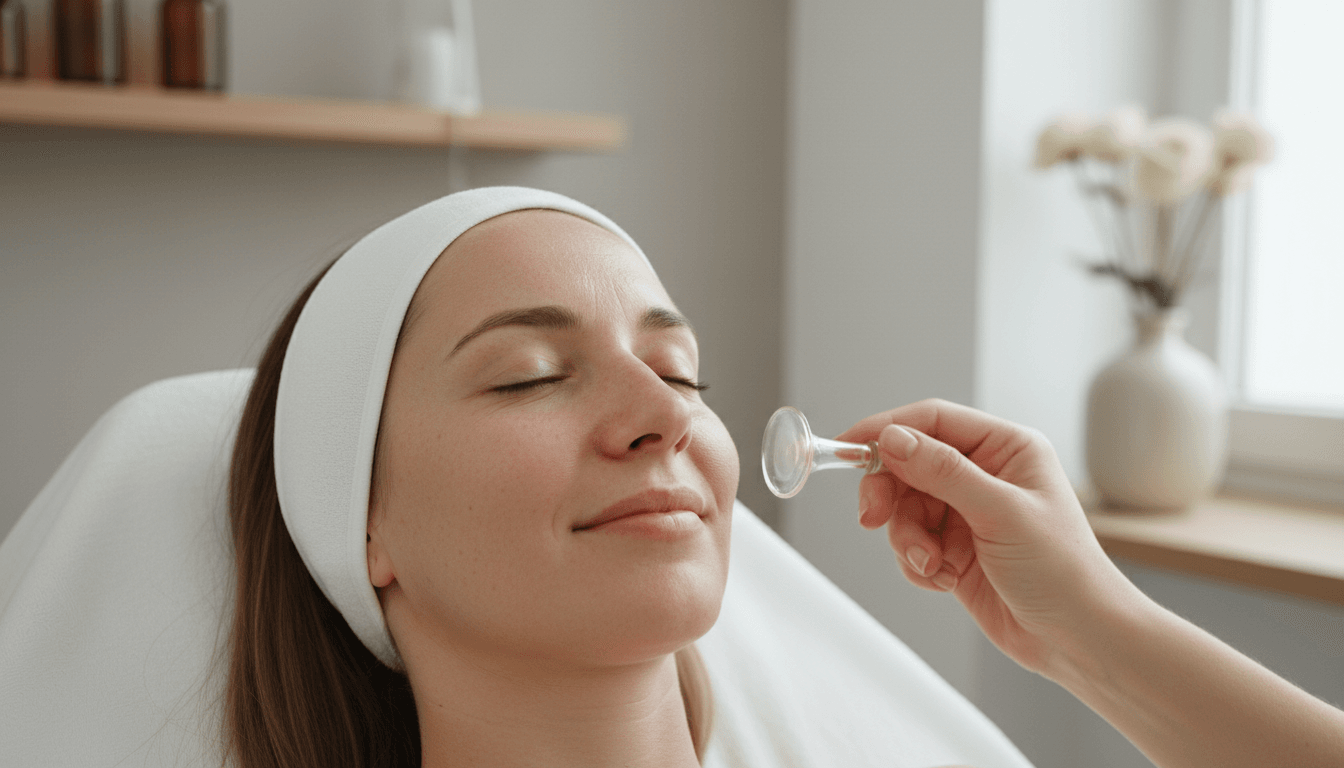
What Is a High Frequency Facial?
A high frequency facial is a non-invasive salon technique that uses a handheld device with a glass electrode. The device produces a mild current that creates a light tingling sensation and a subtle warming effect on the skin.
In practice, high frequency is usually not the whole facial. It is commonly used as one step within a broader treatment, especially after deep cleansing, extractions, or targeted work on oily areas.
The purpose of a high frequency device in a facial is to support the skin after cleansing and help the complexion look fresher and less congested. Results vary because every skin type, barrier condition, and breakout pattern is different.
Why High Frequency Is Used in Facials
High frequency is used in facials because it can be helpful after cleansing steps that leave the skin temporarily reactive. Many clients notice that the skin feels more refreshed and settled after the device is used correctly.
In a professional facial, high frequency is often chosen when the skin is oily, congested, or prone to visible breakouts. It may also be used when the goal is to support a cleaner-looking skin surface without adding heavy products.
A high frequency facial does not replace a consistent home routine. It works best when the skin is also supported with gentle cleansing, light hydration, daily sun protection, and a realistic approach to exfoliation.
How High Frequency Fits Into Acne-Prone Skin Care
High frequency is often associated with acne-prone skin because it is commonly used after extractions or deep cleansing. In salon practice, this step can help the skin feel less stressed after clogged pores have been worked on.
For people with oily or congested skin, the treatment may be used on areas such as the forehead, nose, chin, jawline, or cheeks. The therapist usually adjusts the technique based on sensitivity, visible irritation, and the condition of the skin barrier.
A high frequency acne facial should not be expected to treat acne as a medical condition. Persistent, painful, cystic, or suddenly worsening acne should be assessed by a dermatologist, especially if there is scarring, swelling, or ongoing inflammation.
Who It May Suit
- People with oily or combination skin that becomes congested easily.
- Clients with blackheads, clogged pores, or a dull surface texture.
- Acne-prone skin that tolerates professional cleansing well.
- Skin that needs a supportive step after extractions.
- Clients who prefer non-invasive facial methods.
Who Should Be More Cautious
- People with very sensitive, burning, or highly reactive skin on the day of treatment.
- Clients with open wounds, sunburn, or broken skin in the treatment area.
- Anyone with a pacemaker, implanted electronic device, or relevant medical restriction.
- People with a history of seizures or epilepsy should ask a medical professional before treatment.
- Pregnant clients should check with their doctor and inform the salon before any device-based treatment.
High Frequency and Scalp Care
High frequency can also be used in scalp-focused salon treatments. In this context, it is usually part of a cleansing service that targets oiliness, buildup, and a scalp that feels heavy or less fresh.
A high frequency scalp treatment is not the same as a medical scalp treatment. It should not be described as a treatment for hair loss, scalp disease, infection, or chronic irritation.
In practice, scalp high frequency may suit people who use styling products often, wear hats, sweat regularly, or feel that their scalp becomes oily quickly. It can be a useful supportive step when the scalp needs a cleaner, lighter feeling after cleansing.
What It Can Help With in a Non-Medical Way
- A fresher scalp feeling after cleansing.
- A cleaner-feeling surface when there is product buildup.
- A lighter sensation in oily scalp areas.
- Support after a targeted scalp cleansing step.
What It Does Not Do
- It does not cure acne or scalp conditions.
- It does not guarantee fewer breakouts.
- It does not replace dermatologist care for medical concerns.
- It should not be relied on as a hair growth treatment.
What a High Frequency Facial Feels Like
A high frequency facial usually feels like a gentle tingling or buzzing sensation on the skin. Some clients also notice mild warmth, especially when the electrode is moved over oilier or more congested areas.
The skin may look slightly pink for a short time after the treatment. This temporary reaction can happen because the skin has been cleansed, touched, and stimulated during the facial.
A properly adjusted high frequency step should not feel painful. If the sensation feels sharp, hot, or uncomfortable, the client should tell the therapist immediately so the intensity or technique can be adjusted.
When High Frequency Is Used During a Facial
High frequency is commonly used after cleansing, exfoliation, or extractions. This timing helps make it a finishing support step rather than the main cleansing method.
In an acne-support facial, the therapist may use high frequency on selected areas rather than the entire face. This is common when only certain zones are congested or when the skin is sensitive in some areas.
In scalp care, the device is usually used after the scalp has been cleansed or prepared. The goal is to complement cleansing, not to replace good scalp hygiene or medical care when symptoms are persistent.
How Often Should You Have a High Frequency Facial?
The right frequency depends on skin type, breakout pattern, sensitivity, and the full treatment plan. Some clients benefit from occasional use during deep cleansing facials, while others may include it more regularly during a short acne-support program.
For acne-prone or congested skin, professional treatments are often planned every few weeks rather than every few days. The skin needs time to recover, and too much stimulation can make a compromised barrier feel worse.
For scalp freshness, the timing depends on oiliness, styling product use, and how quickly buildup returns. A professional assessment is helpful because scalp discomfort, persistent flaking, or itching may need medical evaluation.
High Frequency Facial Benefits: Realistic Expectations
The main benefit of a high frequency facial is supportive care within a professional treatment. Many clients notice that their skin feels cleaner, calmer, and less heavy after a session, especially when congestion has been addressed first.
High frequency can support the appearance of oily or breakout-prone skin, but it does not change the underlying causes of breakouts by itself. Hormones, stress, sleep, skincare habits, makeup, diet, and medical factors can all influence the skin.
Visible improvement usually depends on consistency. A single facial can make the skin feel fresher, but long-term skin health normally requires a balanced routine and appropriate treatment spacing.
Common Mistakes With High Frequency in Facials
A common mistake is expecting high frequency to replace proper cleansing and barrier care. The device is only one step, and it works best when the skin is not already over-exfoliated or stripped.
Another mistake is using too many active products before or after a high frequency facial. Strong acids, retinoids, scrubs, and drying spot treatments can make the skin more reactive when combined with professional cleansing.
Many clients also underestimate dehydration. Oily skin can still be dehydrated, and dehydrated acne-prone skin often feels tight, shiny, and uncomfortable at the same time.
Aftercare After a High Frequency Facial
After a high frequency facial, the best approach is to keep skincare simple for a short period. Gentle cleansing, hydration, and daytime sun protection are usually enough while the skin settles.
It is sensible to avoid harsh scrubs, strong exfoliating acids, and aggressive at-home extractions for at least a short time after treatment. The exact pause depends on the strength of the facial, the skin barrier, and the therapist’s advice.
If the skin feels tight, warm, or more sensitive than usual, simplify the routine. A mild cleanser, a barrier-supporting moisturizer, and SPF are usually better choices than adding more active products.
Budapest Skin Factors That Can Affect Congestion and Sensitivity
In Budapest, many people notice changes in their skin because of city living, weather, and cleansing habits. Urban dust, pollution exposure, commuting, sweat, and sunscreen can all contribute to a more congested feeling on the skin surface.
Budapest tap water can be harder in many areas because it contains minerals such as calcium and magnesium. Hard water can leave some skin types feeling tight after washing, especially when the cleanser is too strong or the skin barrier is already stressed.
Seasonal changes can also matter. Hot, humid summers often mean more sweat, SPF, and clogged-feeling pores, while cold and windy winters can increase dryness, flaking, and sensitivity.
These factors do not mean everyone needs a high frequency facial. They simply explain why professional cleansing, barrier support, and treatment timing can be useful for people living and working in a city environment.
High Frequency Facial vs. Other Facial Steps
High frequency is different from steaming, exfoliation, extraction, LED, and massage. Each step has a different purpose, and not every facial needs every device.
Steaming softens the skin surface and can make cleansing more comfortable for some clients. Exfoliation helps remove surface buildup, while extraction focuses on clearing visible clogged pores when appropriate.
High frequency is most often used after those steps to support the skin. A therapist should decide whether it is suitable based on sensitivity, breakout type, and the treatment goal.
How High Frequency Appears in Professional Treatment Menus
In a professional salon menu, high frequency may appear inside selected treatments rather than as a separate service. This is because the device is usually most useful when paired with cleansing, calming, or acne-support steps.
For acne-prone skin, one example is the Anti-Acne Facial Treatment (95 min) - Facial cleansing, enzymatic and pore-cleansing peeling, cleansing serum and soothing mask, vitamin C serum, oil-balancing mask, barrier cream, sun protection, High Frequency device, LED therapy - 22,000 HUF.
For scalp care, one example is the Scalp Cleansing HydraFacial + High Frequency (30 min) - Targeted scalp cleansing + High Frequency technology - 12,000 HUF.
If you are comparing facial options, it can help to view high frequency as one possible tool within a wider plan. The broader guide, Facial Treatments in Budapest: The Complete Guide to Choosing the Right Treatment, explains how different facial types are usually matched to skin goals.
When to Avoid or Postpone High Frequency
High frequency should be postponed if the skin is sunburned, broken, freshly injured, or extremely irritated. A stressed skin barrier usually needs calming and repair before device-based stimulation is considered.
It is also sensible to postpone treatment after a strong peel, aggressive exfoliation, or a reaction to a new product. The skin should feel stable before adding more professional steps.
Anyone with medical devices, seizure history, pregnancy-related concerns, or an active skin or scalp condition should speak with a qualified medical professional before having high frequency. A salon facial should stay within non-medical skincare support.
Questions to Ask Before a High Frequency Facial
Before booking a high frequency facial, ask whether the treatment is suitable for your current skin condition. The answer may change if your skin is irritated, recently exfoliated, or actively inflamed.
It is also useful to ask where the device will be used. Some clients only need high frequency on the chin, nose, jawline, or scalp rather than across every area.
You can also ask what to avoid after the facial. Clear aftercare helps prevent over-treating the skin at home, which is one of the most common reasons acne-prone skin becomes more sensitive.
Soft Guidance for Choosing the Right Treatment
If your main concern is congestion, blackheads, or acne-prone skin, a professional facial assessment can help decide whether high frequency is appropriate. Some skin needs deep cleansing, some needs barrier repair first, and some needs dermatologist support.
If your main concern is an oily or buildup-prone scalp, a scalp cleansing treatment that includes high frequency may be worth discussing. Persistent itching, scaling, pain, or sudden hair shedding should be checked medically rather than managed only with salon care.
A high frequency facial is best understood as a supportive professional step for selected skin and scalp concerns. It can help skin or scalp feel cleaner and more settled in the right context, but results depend on skin condition, treatment planning, home care, and consistency.

