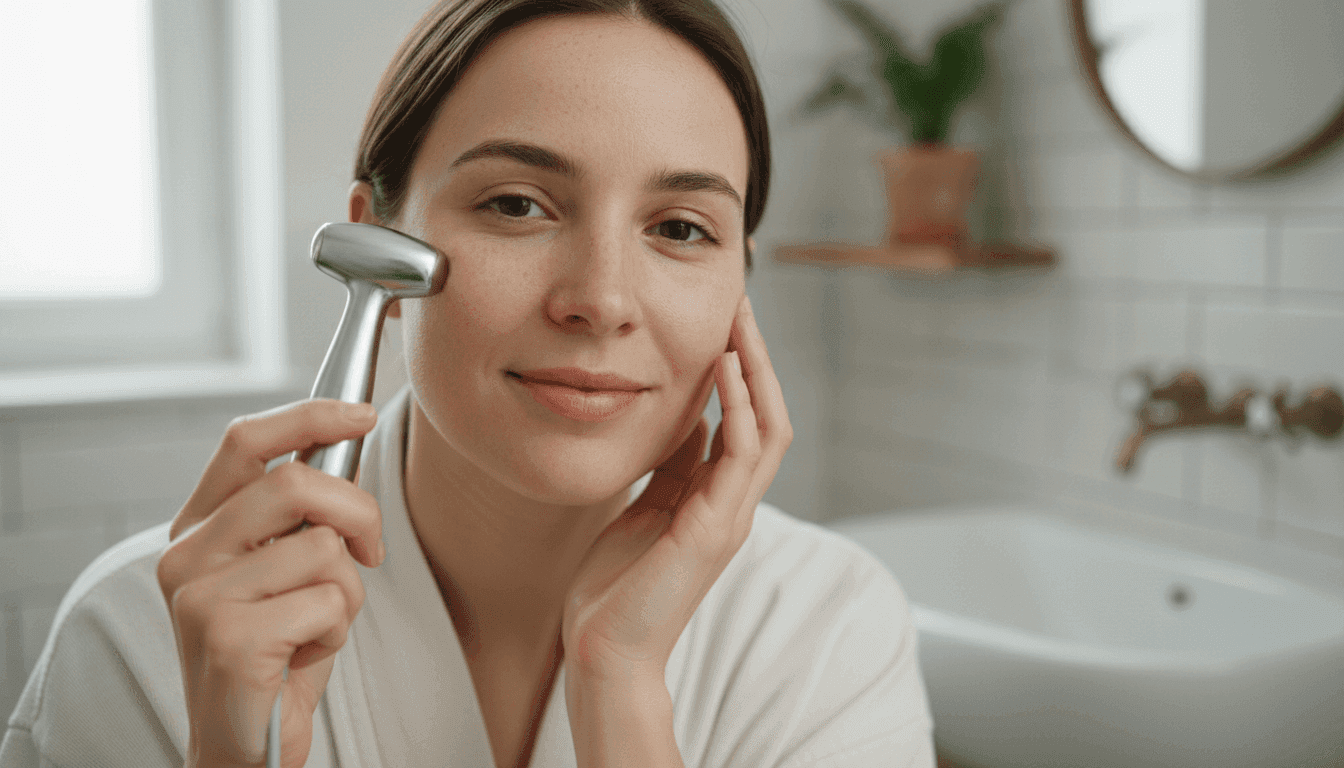
Dermaplaning explained simply: it is a professional exfoliating facial step that removes dead surface cells and fine vellus hair, often called peach fuzz. It may suit calm, intact skin when the goal is a smoother feel and more even makeup application. Our guide to facial treatments in Budapest places it alongside other options for different skin goals.
This article covers superficial dermaplaning as part of a cosmetic facial. It is not a treatment for acne, deep scars or skin disease, and it is not suitable for every skin condition. Mechanical exfoliation can irritate or injure the skin, so suitability matters more than a promise of instant glow.

What Is Dermaplaning?
In superficial dermaplaning, a trained professional uses a sterile, single-use blade to remove dead cells and fine hair from the skin surface. It is intended to refine surface texture; cutting into the skin is not the goal. Small cuts, irritation and infection are possible risks.
In a professional skincare setting, dermaplaning is usually combined with cleansing, calming products, hydration, and sun protection. The treatment is not the same as shaving at home because the technique, skin preparation, hygiene, and aftercare are different.
Dermaplaning does not change the hair follicle or make fine hair grow faster or thicker. The cut end may briefly feel blunter as it grows back. Cleveland Clinic explains this dermaplaning and hair-growth misconception and why irritated skin needs caution.
Who Dermaplaning Is For
Dermaplaning may suit normal, dry or combination skin that is calm and intact, when the goal is temporary surface smoothness. Skin type alone does not establish suitability: active flaking, stinging or inflammation is a reason to postpone and assess the cause. First-time clients should allow time to learn their skin response before a major event.
Dermaplaning can also suit people who dislike the look of peach fuzz in bright light or close-up photos. It may help the skin look fresher because light reflects more evenly from a smoother surface.
In practice, we often see dermaplaning work best for clients who want visible smoothness without a heavy treatment feel. It is also a common choice for first-time facial clients who want a polished result but do not want an intense deep-cleansing session.
Dermaplaning may be a good fit if you want:
- A smoother skin feel.
- Less visible peach fuzz.
- A brighter-looking surface glow.
- Better makeup application.
- Surface exfoliation after a suitability assessment.
- A clean, fresh look before a special occasion.
Who Should Be Cautious With Dermaplaning?
Dermaplaning is not ideal for every skin situation. It should usually be avoided when the skin is actively inflamed, very irritated, sunburned, or dealing with open blemishes.
People with active acne bumps, broken skin, active cold sores, an eczema flare or a recent reaction to skincare should postpone treatment. Rosacea or another diagnosed skin condition needs individual advice. Tell the therapist about recent procedures, prescription creams and current or recent oral isotretinoin; do not stop prescribed treatment to fit a facial appointment.
If you have a diagnosed skin condition, unusual rashes, persistent redness, painful acne, or unexplained skin changes, it is safer to speak with a dermatologist before booking dermaplaning. A salon facial can support cosmetic skin goals, but it does not diagnose or treat medical conditions.
What Dermaplaning Helps With
Dermaplaning helps improve the feel and appearance of the skin surface. It is most useful for texture, dullness, and the visible effect of fine facial hair.
Some people find that makeup and their usual skincare spread more evenly afterward. Smoother application does not establish that a product works better, and active ingredients may sting more on freshly exfoliated skin. Results vary with skin condition and the home routine.
Dermaplaning commonly helps with:
- Peach fuzz on the face.
- Dull-looking surface skin.
- Rough or uneven skin feel.
- Makeup clinging to fine hair.
- A lack of smoothness before an event.
What Dermaplaning Does Not Do
Dermaplaning does not remove deep pigmentation, deep scars, or active acne. It is a surface-focused treatment, so expectations should stay realistic.
Dermaplaning does not clear clogged pores or replace medical acne care. A cosmetic acne-supportive facial is a different option whose suitability also needs assessment; painful or persistent acne calls for a dermatologist rather than stronger salon exfoliation.
Think of dermaplaning as a temporary smoothing step. It cannot remove deep pigmentation or scars, and it does not permanently remove hair. The facial guide linked above can help you compare its cosmetic goals with other treatments.
How Dermaplaning Feels During the Treatment
On suitable skin, clients often describe light scraping or brushing rather than pain. Sharp pain, burning or a feeling that the blade is catching should be reported immediately so the therapist can stop and reassess.
Some areas can feel more noticeable than others. The upper lip, chin, jawline, and forehead may feel slightly more sensitive because the skin texture and hair density vary across the face.
In practice, the treatment feels calm and precise rather than intense. The skin may feel very smooth immediately afterward, and mild pinkness can happen, especially on reactive or fair skin.
What to Expect in a Professional Dermaplaning Facial
A professional dermaplaning facial usually starts with cleansing and a skin check. The therapist looks at oiliness, dryness, active blemishes, sensitivity, and any areas that should be avoided.
The dermaplaning step is performed on prepared skin with careful, controlled movements. Afterward, the skin is usually supported with soothing and hydrating products because freshly exfoliated skin needs comfort and barrier support.
The Budapest Skincare menu checked on 27 October 2026 lists the Dermaplaning Facial Treatment at 60 minutes and 24,900 HUF, with cleansing, blade exfoliation, a soothing serum and SPF. The appointment includes preparation and finishing care; it does not mean 60 minutes of blade work. Check the current menu and suitability before booking.
Typical treatment flow
- Discuss current skincare, medication and recent procedures; assess suitability.
- Cleanse and prepare the skin.
- Perform controlled surface exfoliation with a sterile, single-use blade.
- Apply a soothing serum and sun protection.
- Explain personalised aftercare and when to seek further advice.
What Your Skin May Look Like After Dermaplaning
After dermaplaning, the skin often looks smoother, fresher, and more even on the surface. The result is usually most noticeable in how the skin catches light and how makeup sits.
Some clients see an immediate glow. Others mainly notice a soft, clean skin feel first, with brightness becoming clearer once any mild pinkness settles.
Mild redness or temporary sensitivity can occur. Cuts and infection are possible, and inflammation may leave pigment changes in susceptible skin. Seek medical advice for spreading redness, increasing pain, pus or persistent bleeding rather than treating these as a normal sign of exfoliation.
How Long Dermaplaning Results Last
The smooth feeling is temporary and gradually fades as fine hair grows back and surface cells accumulate. The duration varies; a particular number of weeks or a makeup result cannot be guaranteed.
The treatment does not permanently remove hair. It also does not stop dead skin cells from naturally accumulating over time.
Repeat treatment is optional. If you choose it, assess the skin response before booking again. Persistent tightness, dryness or reactivity is a reason to review the routine, not to exfoliate more often.
How Often Should You Get Dermaplaning?
There is no single treatment interval for everyone. A four-to-six-week gap may be discussed as a starting point, but the skin must first be fully settled. Current irritation, the last treatment, home exfoliation and any medical skincare can require a longer interval or a different choice.
Oily skin does not automatically tolerate more frequent exfoliation. Sensitive or dry skin may need a longer recovery, and actively peeling or inflamed skin should not be treated simply to remove visible flakes.
Dermaplaning should not be treated as a weekly exfoliation habit. A common mistake is combining dermaplaning with too many acids, scrubs, or retinoid products, which can stress the skin barrier.
Dermaplaning in Budapest: Local Skin Factors to Consider
If you are booking before a Budapest wedding, photographs or travel, avoid testing a new exfoliating treatment immediately beforehand. Even a superficial facial can cause irritation, so discuss timing and any past reactions in advance.
Budapest’s seasonal climate can affect how the skin responds. Cold and windy winters can make the skin feel drier and more sensitive, while hot summers can bring more sweat, SPF buildup, and congestion.
If cleansing leaves your skin tight, review the cleanser, water temperature and moisturiser rather than assuming the skin needs more exfoliation. Use lukewarm water and a mild cleanser, and postpone treatment while the skin is irritated.
Urban exposure can also contribute to a dull or congested skin feel. Dermaplaning can support a smoother surface, but it should be paired with consistent cleansing, hydration, and daily SPF for the best cosmetic result.
How to Prepare for Dermaplaning
Good preparation helps dermaplaning feel more comfortable. The skin should be calm, intact, and not overly exfoliated before the appointment.
Tell your therapist which acids, scrubs, retinol, benzoyl peroxide and prescribed products you use. The American Academy of Dermatology explains how existing skincare changes exfoliation tolerance. Agree any pause and restart individually; medication changes, including prescription retinoids, belong with the prescriber.
Do not book dermaplaning immediately after sunburn, aggressive exfoliation, waxing on the face, or a strong skin reaction. The treatment works best when the skin is stable.
Before your appointment, it helps to:
- Arrive with no heavy makeup if possible.
- Avoid facial waxing shortly before dermaplaning.
- Agree when to pause and restart non-prescription exfoliating products.
- Tell your therapist about recent reactions or active breakouts.
- Disclose prescription skincare, oral isotretinoin and recent skin procedures.
- Avoid tanning or strong sun exposure before treatment.
Aftercare: What to Do After Dermaplaning
After dermaplaning, the skin needs calm support. The best aftercare is simple, gentle, and consistent.
Use a mild cleanser and a moisturiser your skin already tolerates. Follow sun-protection guidance: broad-spectrum SPF 30 or higher, adequate application and reapplication outdoors, with shade and clothing as well. Avoid tanning; sunscreen does not make freshly treated skin ready for deliberate sun exposure.
Avoid adding scrubs, acids or unfamiliar active products while the skin settles. Follow the agreed restart plan, and ask the prescriber about prescribed skincare. If makeup, heat or sweating causes stinging, stop and let the skin recover; do not push through irritation for an event.
After dermaplaning, avoid for a short period:
- Strong exfoliating acids.
- Facial scrubs.
- Restarting retinol or prescribed actives without the agreed guidance.
- Heavy sweating immediately after treatment.
- Sunbathing or tanning beds.
- New active products that your skin has not used before.
Common Mistakes With Dermaplaning
A common mistake is expecting dermaplaning to solve every texture concern. Dermaplaning improves surface smoothness, but it does not remove deep scarring, treat active acne, or replace a full skin plan.
Another common mistake is doing too much after the face feels smooth. The skin may look fresh, but the surface has just been exfoliated, so strong actives can cause irritation.
A third mistake is booking dermaplaning when the skin is already inflamed. If the skin barrier is stressed, calming and hydration usually come first.
Dermaplaning vs Deep Cleansing: Which One Fits Better?
Dermaplaning and deep cleansing serve different goals. Dermaplaning is mainly for surface smoothness, peach fuzz, and glow.
A deep-cleansing facial may be more relevant when the main concern is non-inflamed blackheads and congestion. It also needs a skin assessment; painful or inflamed lesions should not be forcefully extracted.
If you are unsure, the decision should be based on your skin condition on the day. A client who wants glow but has active breakouts may need calming or acne-supportive care before dermaplaning becomes suitable.
Dermaplaning vs Chemical Exfoliation
Dermaplaning is a physical exfoliation method performed with a blade. Chemical exfoliation uses ingredients such as acids or enzymes to loosen surface buildup.
Some skin types tolerate one better than the other. Sensitive skin may find certain acids too stimulating, while other clients may not be ideal candidates for dermaplaning because of active breakouts or irritation.
The right choice depends on the skin’s current condition, the desired result, and what the skin already receives at home. Combining too many exfoliation methods at once is rarely a good idea.
FAQ About Dermaplaning
What should I expect during a dermaplaning facial?
You should expect cleansing, a suitability check, controlled dermaplaning, and calming hydration afterward. The sensation is usually a light scraping or brushing feeling rather than pain.
Your skin may look brighter and feel smoother immediately after the treatment. Mild pinkness or sensitivity can happen, so a simple routine and SPF are important afterward.
How should I prepare before booking dermaplaning?
Prepare for dermaplaning by keeping your routine gentle before the appointment and avoiding strong exfoliation, facial waxing, tanning, or new active products close to the treatment. The skin should feel calm and intact on the day.
If you are booking dermaplaning in Budapest and you are unsure whether your skin is suitable, mention active breakouts, recent irritation, strong skincare use, or sensitivity when you book. A professional assessment helps decide whether dermaplaning or another facial is the better choice.
Does dermaplaning make hair grow back thicker?
Dermaplaning does not change the structure of the hair follicle, so it does not make fine facial hair grow back thicker. Regrowth may feel slightly blunt at first because the hair has been cut at the surface.
Can dermaplaning help acne-prone skin?
Dermaplaning is not usually the first choice for active acne or inflamed breakouts. It may be suitable for some acne-prone clients when the skin is calm, but it should be avoided over open or irritated blemishes.
If acne is painful, persistent, or worsening, a dermatologist is the right professional to consult. A salon facial can support cosmetic skin comfort and routine guidance, but it does not replace medical care.
Can I wear makeup after dermaplaning?
Let the skin settle before applying makeup and follow the therapist’s aftercare advice. Postpone makeup if there is redness, stinging or any broken skin. Once comfortable, use clean tools and familiar products; smoother application is a possible later benefit, not a reason to cover irritated skin.
Is dermaplaning suitable before an event?
Dermaplaning can be suitable before an event because it can create a smoother-looking surface for makeup. First-time clients should avoid booking it for the very first time immediately before an important event, because every skin responds differently.
A safer approach is to try dermaplaning a few weeks before a major occasion. This gives you time to understand how your skin reacts.
A Gentle Next Step if You Are Considering Dermaplaning
If dermaplaning sounds suitable but you are unsure, a short professional skin assessment can help clarify the best timing. The most important question is not only whether dermaplaning is popular, but whether your skin is calm enough and likely to benefit from it.
For clients comparing facial options in Budapest, dermaplaning can sit alongside hydration, deep cleansing, and rejuvenating treatments as a surface-smoothing choice. The right match depends on your skin goals, sensitivity, current routine, and any visible irritation on the day.
Summary: Dermaplaning Explained Clearly
Dermaplaning is a professional facial technique for removing fine facial hair and surface buildup to create a smoother, brighter-looking skin finish. It is best for suitable, calm skin and works well when expectations are realistic, aftercare is gentle, and the treatment is chosen for the right reason.