If you are wondering what happens during a facial, the usual process includes consultation, cleansing, skin analysis, exfoliation, extractions if needed, a mask, hydration, and aftercare advice. A professional facial is designed to support cleaner, calmer, better-hydrated skin without requiring you to know exactly what your skin needs before you arrive.
A facial is a non-invasive skincare treatment performed by a facial professional to cleanse, prepare, treat, and protect the skin. It is suitable for many first-time clients, including people with congestion, dullness, dryness, uneven texture, or simply a wish to understand their skin better.
What Is a Facial?
A facial is a structured skincare treatment for the face, and sometimes the neck and décolleté depending on the treatment type. In a professional skincare setting, the goal is to assess the skin, cleanse it properly, support the skin barrier, and apply products or techniques that match the client’s current skin condition.
A facial is not a medical treatment. It does not diagnose skin disease, cure acne, or permanently change the skin in one session. It can, however, support skin clarity, hydration, comfort, and a more balanced-looking complexion when chosen well and repeated consistently.
For first-time clients, the most important part of the facial is often the assessment. Many people book a facial because they are unsure if their skin is dry, dehydrated, oily, sensitive, clogged, or a mix of several concerns. A calm consultation helps the professional choose a safe and realistic approach.
What Happens During a Facial Step by Step?
Most facials follow a clear sequence. The exact steps can vary based on the treatment, the products used, the skin condition on the day, and whether the skin needs deep cleansing, hydration, calming, or rejuvenation support.
1. Consultation and Skin History
A facial usually starts with a short consultation. The facial professional may ask about your skin concerns, current routine, recent treatments, allergies, sensitivity, medication-related skin changes, sun exposure, and whether you are pregnant or breastfeeding.
This step helps reduce unnecessary irritation. For example, if you already use strong exfoliating acids or retinoids at home, the professional may choose a gentler facial approach. In practice, we often see that first-time clients underestimate how active their home routine already is.
2. Skin Analysis
Skin analysis means the professional looks closely at your skin before choosing the next steps. They may check for dryness, dehydration, oiliness, congestion, sensitivity, visible redness, rough texture, blackheads, or signs of a weakened skin barrier.
Skin can change with weather, stress, travel, hormones, shaving, and product use. In Budapest, many people also notice seasonal shifts. Hot and humid summers can increase sweat, SPF buildup, and congestion, while cold and windy winters can make the skin feel drier and more reactive.
3. Cleansing
Cleansing removes surface oil, SPF, makeup, dust, and daily residue. This step prepares the skin so that exfoliation, masks, and serums can be applied more evenly.
If your skin often feels tight after washing, this may come from an overly strong cleanser, too much exfoliation, or a stressed skin barrier. In many parts of Budapest, tap water can be harder because of calcium and magnesium content, and some clients notice a tighter feeling after cleansing. Gentle cleansing and barrier-supportive products can make a noticeable difference over time.
4. Exfoliation or Peeling
Exfoliation helps lift dead surface cells and smooth the feel of the skin. A professional facial may use an enzyme treatment, a gentle peeling product, or another method depending on the skin and the treatment type.
Exfoliation should not feel harsh or painful. If the skin is sensitive, over-exfoliated, sunburned, or actively irritated, a professional may reduce or skip this step. A common mistake we see is using strong exfoliants at home right before a facial, which can make the skin more reactive during treatment.
5. Steam or Softening Step
Some facials include steaming or another softening step before deep cleansing. The purpose is to make the skin more comfortable for extraction and to help loosen buildup in the pores.
Steam is not suitable for every skin type. Very sensitive, flushed, or barrier-impaired skin may need a gentler preparation method. Professional judgment matters because comfort and skin safety are more important than following a fixed routine.
6. Extractions if Needed
Extractions are the careful removal of blackheads, whiteheads, or visible congestion when the skin is ready. Not every facial includes extractions, and not every clogged pore should be extracted.
Extractions can feel slightly uncomfortable, especially around the nose or chin, but they should not feel aggressive. The aim is controlled cleansing, not forcing the skin. If a bump is inflamed, painful, deep, or cyst-like, it is usually best not to squeeze it in a salon setting, and a dermatologist may be more appropriate.
7. Calming Mask or Treatment Mask
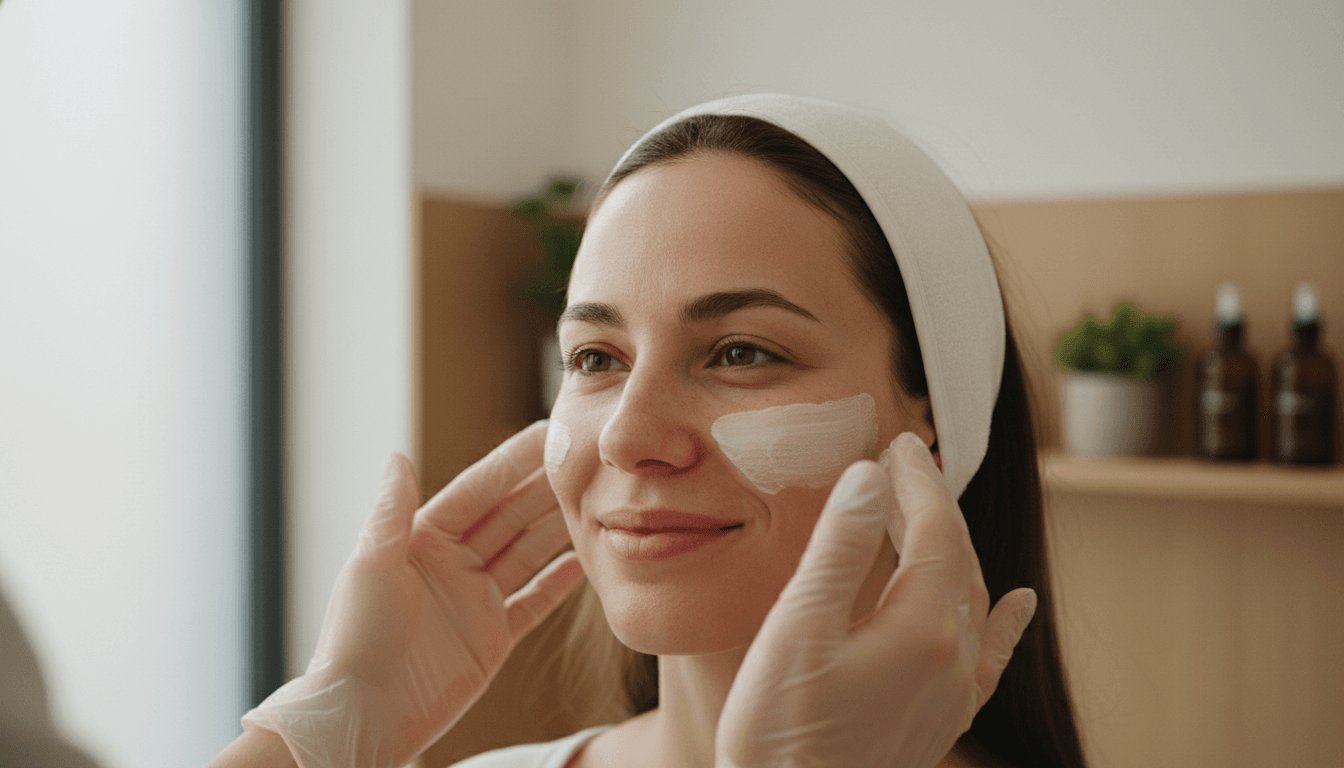
After cleansing or extractions, a mask is usually applied to calm, hydrate, balance, or refresh the skin. The mask choice depends on the goal of the facial and the condition of the skin on the day.
For example, congested skin may benefit from a soothing and balancing mask after deep cleansing. Dehydrated skin may need a hydrating mask. Sensitive skin may need calming support and fewer active steps.
8. Massage, Devices, or Targeted Treatment Steps
Some facials include facial massage, LED therapy, oxygen therapy, ultrasound, RF lifting, High Frequency, or other non-invasive device steps. These steps vary by treatment and are not necessary in every facial.
A massage step can feel relaxing and may help the treatment feel more complete. Device steps are usually chosen for a specific purpose, such as glow support, calming support, cleansing support, or rejuvenation-focused care. Results vary, and device-based steps should be selected based on skin tolerance and treatment goals.
9. Serum, Moisturizer, and Sun Protection
A facial usually ends with leave-on products such as serum, moisturizer, barrier cream, and sun protection when appropriate. These products help protect the skin after treatment and reduce the risk of dryness or irritation.
Sun protection is especially important after exfoliation, extractions, or brightening-focused steps. Freshly treated skin can be more sensitive to sunlight, even if the treatment felt gentle.
10. Aftercare Advice
At the end of the facial, you should receive simple aftercare guidance. This may include what to avoid for the next day or two, how to cleanse, when to restart active products, and how often to return if you have a specific skin goal.
Good aftercare should be realistic. A facial professional should not overload you with a complicated routine. In practice, most first-time clients do better with a few clear steps: gentle cleansing, hydration, sun protection, and less picking or over-exfoliating.
What Should a First Facial Feel Like?
A first facial should feel structured, calm, and explained. You should know what is being applied and why. If something feels too hot, too strong, too painful, or uncomfortable, you should feel free to say so immediately.
Normal sensations can include warmth from steam, mild tingling from an exfoliating step, pressure during extractions, or a cooling feeling from a mask. Sharp pain, intense burning, or strong discomfort should not be ignored.
Many first-time clients worry about not knowing the etiquette. You do not need to make conversation, and you do not need to know skincare terminology. You can simply explain what bothers you about your skin and ask what the facial professional recommends.
Who Is a Facial For?
A facial can be useful for people who want cleaner pores, better hydration, a fresher skin feel, or guidance on their routine. It can also be helpful before a special event if the treatment is chosen carefully and scheduled with enough time for the skin to settle.
A first facial may be especially helpful if you feel confused by skincare products. Many clients buy too many active products when they actually need a calmer, more consistent routine. A professional treatment can help identify what the skin appears to need in practice.
A Facial May Be Suitable If You Have:
- Congestion, blackheads, or rough texture
- Dull or tired-looking skin
- Dehydration or tightness
- Occasional breakouts or oil imbalance
- Dryness from weather, travel, or cleansing habits
- A skin routine that no longer seems to work
- A special event coming up and you want a fresher look
When to Be Cautious
You should postpone a facial if your skin is sunburned, actively irritated, broken, or reacting strongly to a new product. You should also mention recent cosmetic procedures, strong prescription topicals, oral acne medication, or any skin condition being managed by a doctor.
If you have painful cystic acne, spreading rash, infection-like symptoms, unexplained swelling, or a changing mole, a dermatologist is the right professional to see. A salon facial can support general skin care, but it is not a substitute for medical assessment.
What Happens During a Facial for Different Skin Goals?
The basic flow of a facial is similar, but the focus changes depending on your skin goal. A first-time facial should be adjusted to your skin rather than forcing every step into one appointment.
For Congested or Blackhead-Prone Skin
A congestion-focused facial usually places more attention on cleansing, exfoliation, softening, extractions, and calming aftercare. This type of facial can be helpful for skin exposed to SPF buildup, city dust, pollution, and daily commuting.
In a menu setting, a treatment such as Deep Cleansing Facial Treatment (60 min) - enzyme treatment, steaming, intensive deep cleansing, soothing pack, hydration - 15,000 HUF may be considered when deep cleansing is the main goal. The right choice still depends on skin sensitivity and the amount of congestion present.
For Dry or Dehydrated Skin
A hydration-focused facial usually uses gentle cleansing, mild or limited exfoliation, hydrating masks, and barrier-supportive finishing products. This approach is often helpful in colder months when wind, indoor heating, and low humidity can make skin feel tight or flaky.
Hydrated skin may look smoother and feel more comfortable after a facial, but dehydration can return if daily cleansing and moisturizing habits are not supportive. Consistency matters more than one intense treatment.
For First-Time Glow and Relaxation
If you want a simple first experience, a lighter facial may be enough. A treatment such as Basic Facial Treatment (30 min) - Facial cleansing, steaming, mask, massage - 10,000 HUF can be suitable when you want a shorter introduction without a longer deep-cleansing process.
A gentle first facial can be useful if your skin is sensitive, you are nervous, or you want to understand how your skin responds before booking a more targeted treatment. Starting simply is often safer than doing too much in one session.
For Acne-Prone or Problematic Skin
Acne-prone skin usually needs a careful and consistent approach. The focus may include gentle pore cleansing, oil-balancing support, soothing steps, and barrier care, rather than harsh drying methods.
A professional facial can support acne-prone skin, but it does not replace dermatological care for persistent, painful, or severe acne. Results vary, and progress often depends on home routine, lifestyle factors, hormonal patterns, and whether the skin is being irritated by too many active products.
How Long Does a Facial Take?
A facial can take around 30 to 95 minutes depending on the treatment. Shorter facials usually focus on cleansing, a mask, and relaxation. Longer facials may include deeper cleansing, targeted serums, device steps, massage, and more detailed aftercare.
For a first facial, it is wise to allow extra time before and after the appointment. Arriving relaxed helps the consultation. Leaving a little time afterward helps you avoid rushing back into makeup, sweating, or strong sun exposure immediately after treatment.
How Often Should You Get a Facial?
Facial frequency depends on your skin type, your concerns, your budget, and how your skin responds. Many people choose a facial every 4 to 6 weeks for maintenance, but some skin goals may require a different rhythm.
Congested or acne-prone skin may need a more structured plan at first. Sensitive or easily irritated skin may need longer gaps and gentler treatments. A professional should adjust the frequency based on skin response rather than pushing a fixed schedule.
How to Prepare for Your First Facial
Preparation for a first facial should be simple. You do not need to change your whole routine before the appointment, but it is helpful to avoid strong irritation in the days leading up to the treatment.
Before Your Appointment
- Avoid strong exfoliating acids, scrubs, and retinoids for a few days if your skin is easily irritated.
- Do not pick or squeeze spots before the facial.
- Tell the salon about allergies, sensitivities, recent treatments, or prescription skincare.
- Arrive with or without makeup. The skin will be cleansed either way.
- Avoid tanning or strong sun exposure before treatment.
- If you are unsure which treatment to book, choose a consultation-led option or ask for guidance.
What to Tell Your Facial Professional
You should mention your main concern, what products you use, what makes your skin react, and what you want from the appointment. A clear goal helps the professional choose the right treatment intensity.
Useful details include whether your skin feels tight after cleansing, whether you break out after rich creams, whether you flush easily, and whether you have used active ingredients recently. Small details often explain why the skin behaves the way it does.
What Should You Avoid After a Facial?
After a facial, the skin may be more receptive and slightly more sensitive. Simple aftercare helps protect the treatment result and reduce irritation.
Aftercare Basics
- Avoid strong exfoliants and retinoids for at least a short period, especially after extractions or peeling.
- Avoid heavy sweating, sauna, and intense heat on the same day if the skin feels sensitive.
- Do not pick at the skin after extractions.
- Use gentle cleansing and moisturizer.
- Use sun protection during the day.
- Keep makeup light if the skin feels freshly treated or reactive.
Some temporary pinkness can happen after extractions or active steps. It should calm down, but the timing varies by skin type. If irritation feels unusual, persistent, or worsening, it is sensible to contact the salon for guidance or speak with a dermatologist if there are medical concerns.
Common First-Timer Worries
Will I Break Out After a Facial?
Some people notice minor purging-like congestion or small surface blemishes after deep cleansing, especially if the skin was already clogged. This does not happen to everyone, and it should not be assumed as a required part of treatment.
A well-chosen facial should not aggressively strip the skin. If you are prone to breakouts, it is better to start with a measured approach and avoid adding many new home products immediately afterward.
Will My Skin Be Red After a Facial?
Mild redness can happen after exfoliation, steam, massage, or extractions. It is usually temporary, but sensitive skin may stay pink longer than resilient skin.
If you have an event, do not book your first deep-cleansing facial on the same day. A safer plan is to schedule it several days before the event, especially if you expect extractions.
Do I Need to Remove Makeup Before a Facial?
You do not usually need to remove makeup before a facial because cleansing is part of the treatment. That said, arriving with lighter makeup can make the cleansing step simpler and leave more time for treatment-focused work.
Will the Facial Professional Judge My Skin?
A professional facial setting should feel respectful and practical. Skin concerns are common, and the purpose of the appointment is to understand the skin, not to judge it.
Many clients arrive feeling embarrassed about blackheads, breakouts, dryness, or sensitivity. These concerns are normal reasons to book a facial. Clear communication helps the professional support the skin appropriately.
How to Choose the Right Facial for Your First Visit
The right first facial depends on your main goal and your skin’s tolerance. If you are unsure, choose a treatment that allows professional assessment rather than selecting the strongest option based only on the name.
If your main issue is clogged pores, a deep cleansing facial may be suitable. If your skin is dry or easily irritated, a hydrating or calming approach may be safer. If you want to compare options in more detail, our pillar guide, Facial Treatments in Budapest: The Complete Guide to Choosing the Right Treatment, can help you understand how different facial types are usually selected.
For first-time clients in Budapest, local lifestyle can also matter. Urban dust, regular SPF use, seasonal temperature changes, and harder tap water can all influence how the skin feels. A good facial plan considers these everyday factors instead of focusing only on one visible concern.
FAQ: First Facial Expectations and Booking
What should I expect during my first facial?
During your first facial, you should expect a short consultation, Skin analysis, cleansing, treatment steps chosen for your skin, finishing products, and aftercare advice. The facial professional should explain the main steps and adjust the treatment if your skin feels sensitive or uncomfortable.
You may feel warmth, mild tingling, pressure during extractions, or a cooling mask sensation. The treatment should not feel aggressively painful. If anything feels too strong, you should say so during the appointment.
How should I prepare before booking a facial?
Before booking a facial, think about your main skin concern and whether you want deep cleansing, hydration, calming, or general maintenance. If you are unsure, choose a first-time-friendly treatment or ask the salon which option fits your skin goal.
Before the appointment, avoid strong exfoliation, tanning, and picking at the skin. Tell the salon about sensitivities, allergies, recent treatments, prescription skincare, or any medical skin concerns. This information helps the professional choose a safer and more comfortable approach.
Can I book a facial before an important event?
You can book a facial before an important event, but timing matters. If it is your first facial or you expect extractions, it is usually safer to book several days before the event so the skin has time to settle.
A gentle hydrating or glow-focused facial may be more suitable close to an event than an intensive deep-cleansing treatment. The best choice depends on your skin history and how easily your skin becomes red or reactive.
Is one facial enough to fix my skin?
One facial can make the skin feel cleaner, smoother, and more hydrated, but it usually does not solve long-term concerns by itself. Skin improvement depends on the concern, skin type, home routine, consistency, and lifestyle factors.
For ongoing congestion, acne-prone skin, dehydration, or sensitivity, a simple plan is usually more effective than one very intense treatment. A facial can be the starting point for understanding what the skin needs.
A Gentle Next Step if You Are Still Unsure
If you feel nervous about your first facial, it is reasonable to start with a shorter or gentler treatment and ask for guidance during the consultation. You do not need to know exactly what your skin needs before you arrive.
At Budapest Skincare near Corvin, first-time clients can discuss their skin goals before the treatment steps begin. This type of conversation can make the appointment feel calmer and help match the facial to the skin’s actual condition on the day.
Summary
What happens during a facial is usually a clear sequence of consultation, cleansing, skin analysis, exfoliation, extractions when appropriate, masking, hydration, protection, and aftercare advice. A first facial should feel calm, respectful, and adaptable, with realistic expectations based on your skin type, sensitivity, and goals.