Looking for a deep cleansing facial acne Budapest option because your skin feels congested, bumpy, or prone to clogged pores? A professional deep cleansing facial is designed to reduce buildup in the pores and calm the look of congestion without relying on harsh scrubs or aggressive extraction. This guide focuses on acne-prone congestion, what a deep cleansing facial can realistically help with, and how to choose the right approach in Budapest.
What a “deep cleansing facial” means for acne-prone congestion
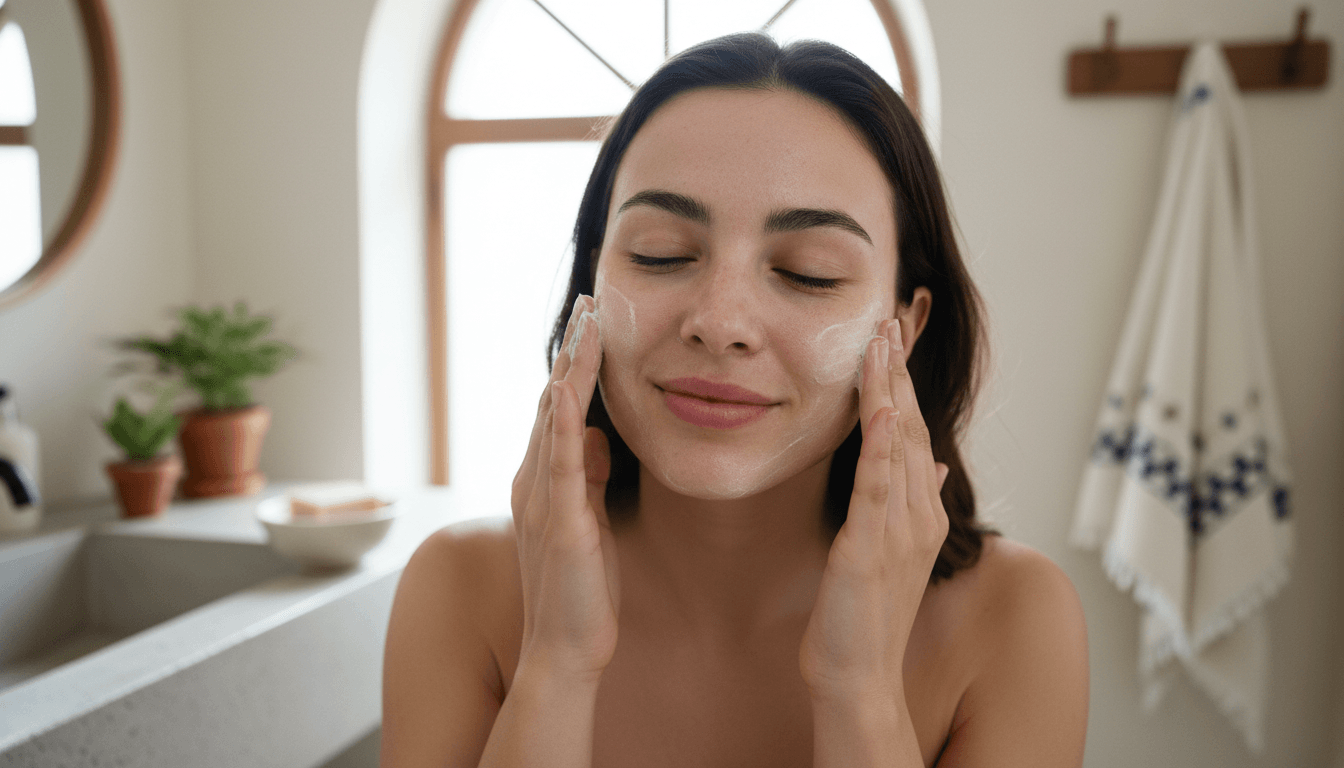
A deep cleansing facial for acne-prone skin is a professional treatment that focuses on softening and lifting pore buildup, then clearing congestion in a controlled, hygienic way. The goal is to reduce the look and feel of clogged pores, blackheads, and rough texture while supporting the skin’s barrier. A good deep cleansing facial is not meant to “strip” the skin or leave it squeaky clean.
Acne-prone skin can be oily, dehydrated, sensitive, or a mix of all three. In practice, congestion often happens when dead skin cells, sebum, and product residue collect in the pore and do not shed evenly. A deep cleansing facial targets that cycle with gentle exfoliation, steam or softening steps, and careful clearing, followed by calming and hydration.

Who a deep cleansing facial is for (and who should be cautious)
Often a good fit
- Skin that looks dull, bumpy, or uneven from clogged pores.
- Blackheads and “stuck” congestion around the nose, chin, and jawline.
- Acne-prone skin with frequent small breakouts that feel related to pore blockage.
- People who wear daily SPF and makeup and feel residue builds up easily.
- Busy city lifestyles where pollution and dust can contribute to buildup on the skin.
Be cautious or delay if any of these apply
- Very inflamed, painful breakouts or widespread irritation.
- Broken skin, active infection, or open lesions.
- Recent strong peels, aggressive at-home exfoliation, or a compromised barrier.
- New prescription acne treatments or retinoids without professional guidance.
A facial professional can adapt the approach, but some situations need a simpler, calming treatment first. If you suspect a medical skin condition or your acne is severe, a dermatologist is the right place for diagnosis and medical treatment.
What a deep cleansing facial can help with (and what it cannot)
What it can help with
- Reducing the look of blackheads and visible congestion.
- Smoother-feeling texture and a cleaner, fresher surface.
- Supporting a more consistent home routine by clearing buildup that blocks products.
- Helping you learn what your skin tolerates, especially if you over-exfoliate at home.
What it cannot do
- It cannot “cure” acne or permanently stop breakouts.
- It cannot replace medical care for cystic or severe acne.
- It cannot safely extract every pore in one session without risking irritation.
Results vary by skin type, sensitivity, and consistency. Many clients notice their skin feels less congested after one visit, but long-term improvement usually comes from a plan that combines professional care and barrier-friendly home habits.
Why acne-prone skin in Budapest can feel more congested
Congestion is rarely caused by a single factor. In Budapest, a few practical things can make acne-prone skin feel “stuck” more often. These factors do not affect everyone the same way, but they are common patterns we see in a professional skincare setting.
Hard water and that tight-after-cleansing feeling
In many parts of Budapest, tap water is relatively hard. Hard water can leave some people feeling tight or slightly filmy after cleansing, especially if the cleanser is already strong. That tight feeling often leads to over-cleansing or over-exfoliating, which can trigger more oiliness and more congestion over time.
Seasonal shifts: hot summers and cold winters
Hot, humid summers can increase sweat, SPF reapplication, and product layering, which can contribute to clogged pores if cleansing is inconsistent. Cold, windy winters can stress the barrier and increase flaking, which can mix with oil and create a “plug” in the pore. Seasonal adjustments in exfoliation and hydration often matter more than people expect.
Urban exposure and daily buildup
City-center living can mean more dust, pollution, and frequent touching of the face during commutes. This can increase surface buildup and make pores look more noticeable. A deep cleansing facial can be a helpful reset when home cleansing is not enough.
What a professional deep cleansing facial for acne-prone skin typically includes
Professional deep cleansing is not just “more extraction.” The best results usually come from the softening and calming steps around the clearing. Those steps reduce the chance of irritation and post-facial sensitivity.
Common steps in practice
- Assessment and skin reading. A professional checks oiliness, dehydration, sensitivity, and where congestion sits.
- Gentle cleansing. The goal is to remove SPF, makeup, and daily buildup without stripping.
- Softening and controlled exfoliation. This can include enzyme-based steps to loosen dead skin and sebum.
- Steaming or warm compress. This helps soften congestion so clearing is less traumatic.
- Careful deep cleansing. Clearing is done selectively and hygienically, not aggressively.
- Soothing and hydration. A calming mask and barrier-supporting finish are essential for acne-prone skin.
- Sun protection. Skin can be more reactive after exfoliation, so SPF matters.
If you are comparing options, ask how the treatment supports the barrier. Acne-prone skin often improves when the barrier is treated as a priority, not an afterthought.
Which treatment to look for in Budapest (menu-level clarity)
If your main concern is congestion that feeds breakouts, the treatment should explicitly include pore-softening exfoliation, deep cleansing, and calming hydration. At Budapest Skincare, the most direct match is the Deep Cleansing Facial Treatment (60 min), which includes enzyme treatment, steaming, intensive deep cleansing, soothing pack, and hydration.
If your acne-prone skin is both congested and easily inflamed, a longer treatment that builds in more calming and oil-balancing steps can be more comfortable. In that case, the Anti-Acne Facial Treatment (95 min) may be considered, because it includes enzymatic and pore-cleansing peeling, soothing mask steps, oil-balancing support, and LED therapy. Treatment choice depends on sensitivity, how active the breakouts are, and how well your skin tolerates exfoliation.
For a broader overview of professional options and how they compare, see the pillar guide: Acne Treatment in Budapest: Professional Facial Options for Acne-Prone Skin. A good pillar plan helps you choose between deep cleansing, anti-acne focused treatments, and hydration-first approaches when the barrier is stressed.
What to expect after a deep cleansing facial (realistic timeline)
Right after a deep cleansing facial, skin often looks cleaner and feels smoother, but mild redness can happen. Some people notice a few small “come-to-the-surface” bumps in the days after. This is not always a bad sign, but it is a sign to keep the routine simple and avoid picking.
Most acne-prone clients do best when they treat the 48 hours after a facial as recovery time. Keep cleansing gentle, prioritize hydration, and use SPF daily. Avoid adding new active products immediately after the treatment.
How often to get a deep cleansing facial for acne-prone skin
Frequency depends on how quickly you congest, how sensitive your skin is, and what you do at home. Many people with congestion-prone skin do well with a deep cleansing facial every 4 to 6 weeks. Some need a shorter interval at the start, then less often once the pore cycle is calmer.
More frequent is not always better. Over-treating can irritate the barrier and trigger more oiliness and breakouts. A professional will usually adjust the intensity before increasing the frequency.
Common mistakes that keep acne-prone congestion stuck
- Over-exfoliating at home. Daily scrubs or multiple acids can inflame the skin and worsen congestion.
- Chasing “squeaky clean.” Stripping cleansers can lead to rebound oiliness and a rougher texture.
- Picking and squeezing. This increases irritation and can prolong marks.
- Skipping hydration. Dehydrated skin can still be oily, and dehydration can make pores look more obvious.
- Heavy, occlusive layering. Too many rich layers can trap heat and sweat, especially in summer.
A simple way to think about it is this: acne-prone skin usually improves when cleansing is consistent, exfoliation is controlled, and the barrier stays comfortable.
Aftercare basics (the first 48 hours)
- Cleanse gently. Use a mild cleanser and lukewarm water.
- Pause strong actives. Consider pausing strong acids, retinoids, and harsh spot treatments for 24 to 48 hours unless your professional advises otherwise.
- Hydrate and soothe. Choose simple, fragrance-light hydration and barrier-supporting moisturizers.
- Wear SPF daily. This matters even in winter and even if you are mostly indoors.
- Avoid heat and friction. Skip saunas, very hot showers, and aggressive workouts the same day if you flush easily.
If the skin feels hot, stings, or looks increasingly irritated, simplify to cleanser, moisturizer, and SPF only. If symptoms are significant or persistent, seek medical advice.
How to choose a good deep cleansing facial in Budapest (quick checklist)
- They ask about your routine. Congestion is often linked to cleansing, exfoliation, and product layering.
- They do selective extraction. Aggressive extraction is not a quality marker.
- They include calming steps. Soothing and hydration are part of acne care, not a luxury add-on.
- They set realistic expectations. Acne-prone skin improves with consistency, not one intense session.
- They advise when to see a dermatologist. Responsible professionals know the limits of non-medical skincare.
FAQ: Deep cleansing facial for acne-prone skin in Budapest
What should I expect during a deep cleansing facial for acne-prone skin?
You can expect cleansing, a softening exfoliation step (often enzyme-based), steaming or warm compress, and careful deep cleansing focused on clogged areas. You should also expect soothing and hydration at the end, because acne-prone skin needs barrier support after clearing. Mild redness can happen, but the goal is controlled clearing, not aggressive extraction.
How should I prepare before booking a deep cleansing facial?
Keep your routine simple for a few days beforehand and avoid aggressive exfoliation, strong peels, or heavy scrubbing. Arrive with a clear idea of what products you use at home, including actives and spot treatments, because this affects how the facial is tailored. If you have significant irritation, widespread inflamed breakouts, or you are using prescription acne medication, mention it when booking so the treatment can be adjusted safely.
A gentle next step if you are choosing between options
If your main issue is clogged pores and recurring congestion, start by comparing a classic deep cleansing facial with an acne-focused facial that includes more calming and oil-balancing steps. If you are unsure, a professional assessment can help you avoid over-treating and can align the facial plan with your home routine and your season-specific needs in Budapest.
A deep cleansing facial for acne-prone skin is most useful when congestion is the main driver of breakouts and texture. The best results come from controlled exfoliation, careful clearing, and barrier-friendly aftercare, not from harsh intensity. In Budapest, hard water, seasonal shifts, and urban buildup can make consistent cleansing and occasional professional deep cleansing especially helpful. A realistic plan combines professional treatments with a simple home routine and adjusts based on sensitivity and how your skin responds.