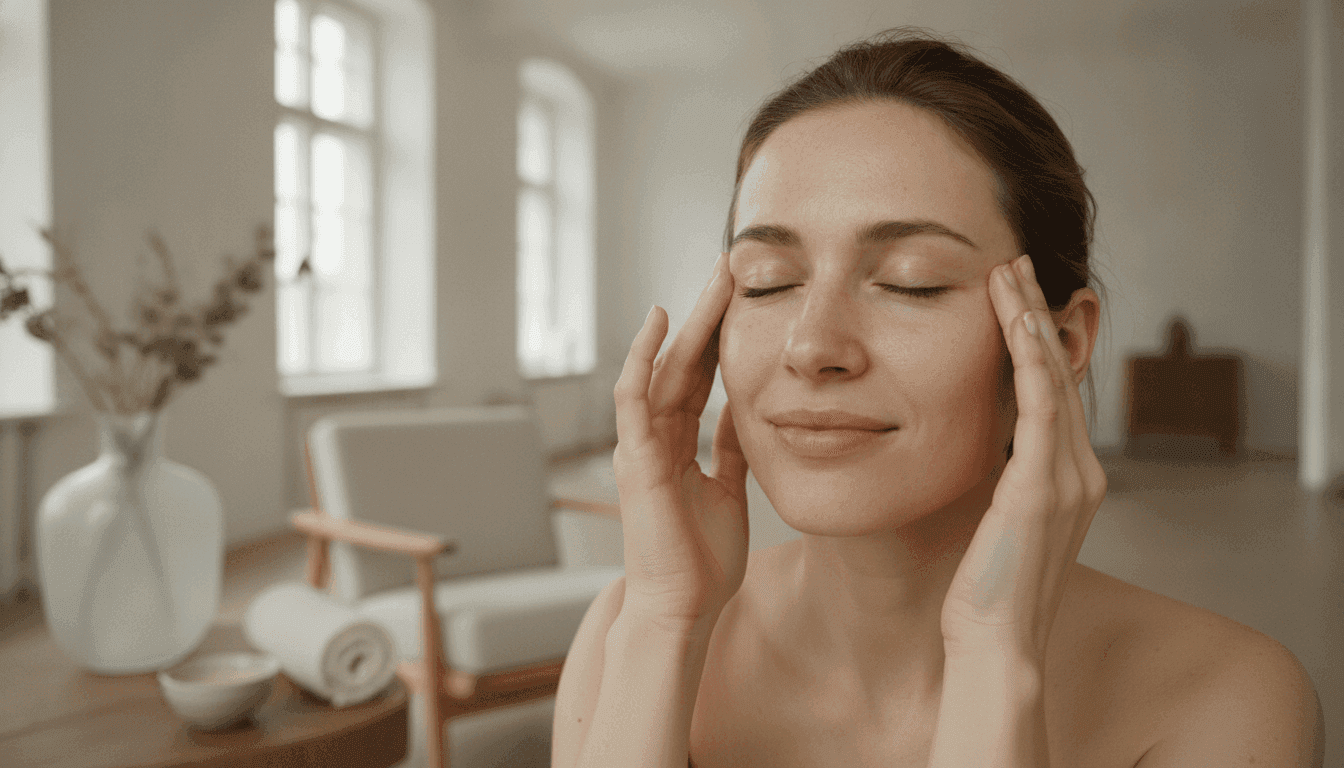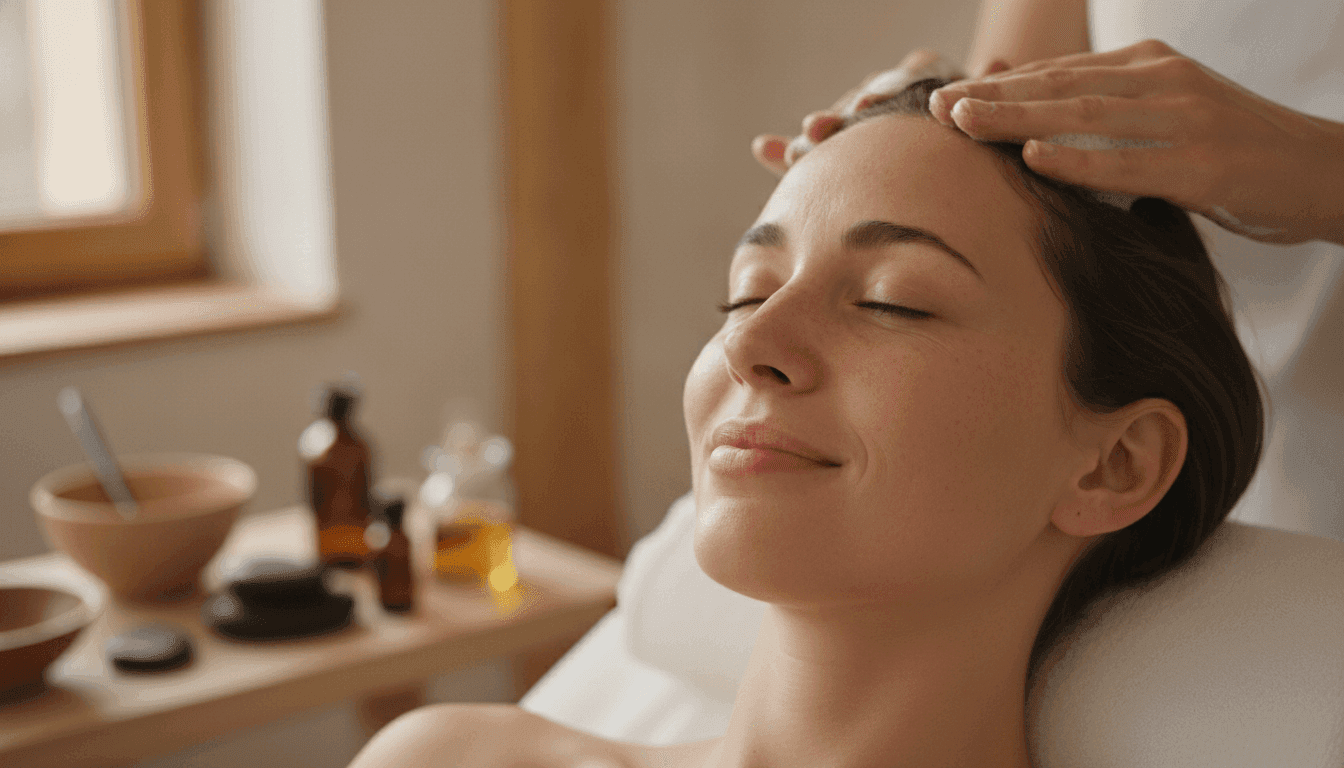
Japanese head spa Budapest searches usually come from people who want more than a quick scalp massage. A Japanese head spa ritual is a calm, multi-phase scalp and hair care experience built around scalp analysis, aromatherapy, cleansing, extended massage, waterfall therapy, nourishing care and a tea ritual.
The purpose of a Japanese head spa is to refresh the scalp, relax the nervous system through slow touch, and leave the hair and scalp feeling cleaner and more comfortable. It is not a medical scalp treatment, and it does not diagnose or treat scalp disease, hair loss or persistent irritation.
What Is a Japanese Head Spa Ritual?
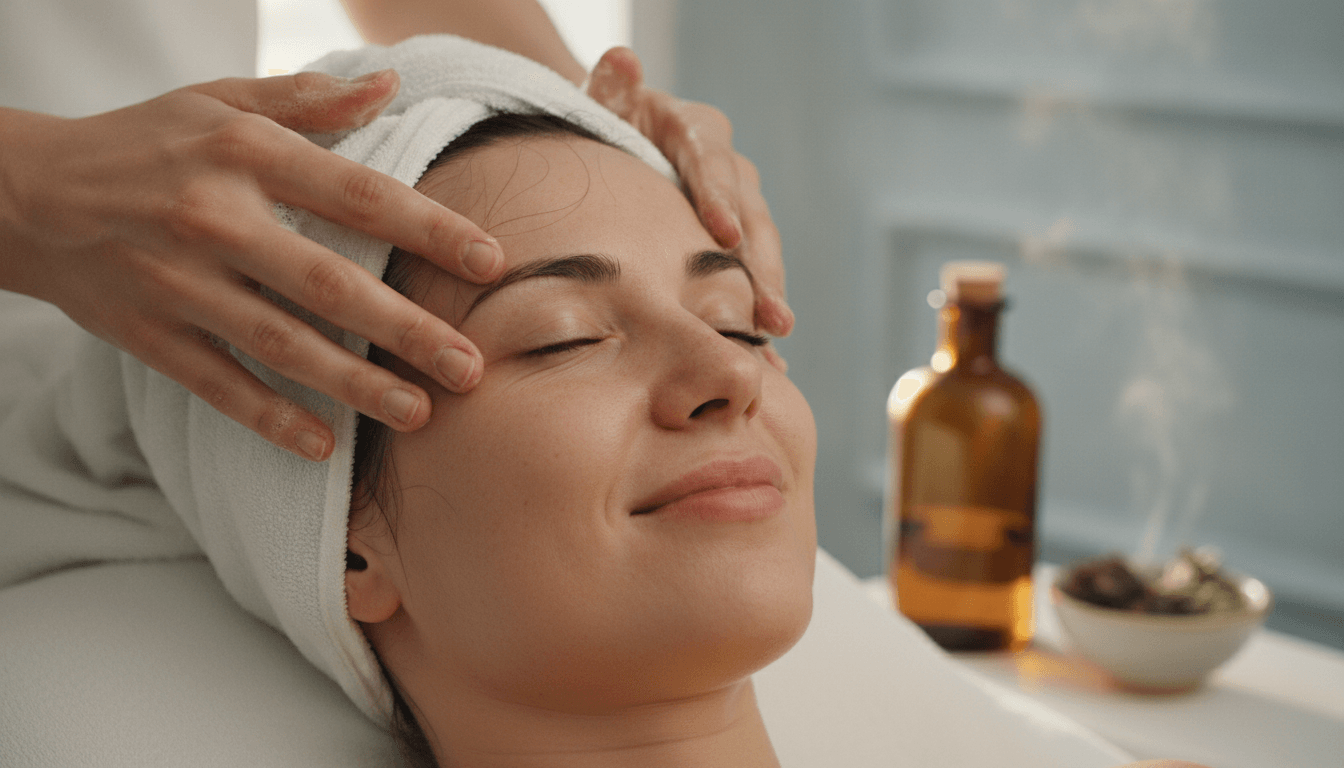
A Japanese head spa ritual is a structured scalp and head care treatment inspired by Japanese salon rituals. It combines careful observation, cleansing, massage, sensory relaxation and nourishing aftercare in one continuous session.
In a professional salon setting, the ritual is usually slower and more intentional than a standard hair wash. Each phase has a clear purpose. The scalp is assessed, the senses are settled with aromatherapy, buildup is cleansed, tension is softened with massage, and the experience is finished with calming care.
A simple way to think about it is this: a regular wash focuses mainly on the hair, while a Japanese head spa focuses on the scalp, the head, the neck area and the overall feeling of calm. Many clients describe it as both refreshing and deeply grounding.
Why Japanese Head Spa in Budapest Has Become So Popular
Japanese head spa in Budapest is popular because many city clients want a treatment that feels restorative without being invasive. Busy professionals, first-time salon clients, locals and expats often look for a calm ritual that supports scalp freshness and relaxation at the same time.
Budapest life can make scalp and hair comfort feel harder to maintain. Urban dust, commuting, styling products, sweat in summer and dry indoor air in winter can all make the scalp feel less fresh. A structured cleansing and massage ritual can help the scalp feel lighter and more comfortable, although results vary from person to person.
In our broader pillar guide, Japanese Head Spa in Budapest: What Makes the Ritual Different?, we explain how the treatment category differs from a general head spa. This article focuses specifically on the Japanese ritual itself and why its sensory, ceremonial structure is the main point of difference.
What Makes the Japanese Head Spa Ritual Different?
The difference is not one single step. The difference is the sequence. A Japanese head spa is designed as a calm progression from observation to cleansing, then massage, water therapy, nourishment and a gentle closing ritual.
The treatment feels ceremonial because the pace is unhurried. The therapist does not rush from product to product. The touch, water, scent and temperature changes are used to create a steady rhythm.
In practice, many clients notice that the ritual feels more complete than a normal scalp massage. The scalp feels cleaner, the head and neck area feel more relaxed, and the experience has a clear beginning, middle and end.
The Main Phases of a Japanese Head Spa Budapest Ritual
1. Scalp Analysis
Scalp analysis is the first step in a Japanese head spa ritual. The goal is to observe the scalp condition and choose a suitable approach for cleansing, massage pressure and nourishing care.
In practice, we look for visible oiliness, dryness, product residue, sensitivity, flaking and areas where the scalp may feel tight. This is not a medical diagnosis. It is a professional salon assessment used to make the ritual more comfortable and personalized.
A common mistake is assuming every scalp needs intense cleansing. Some scalps need freshness and lightness. Others need gentleness, hydration and less friction. The analysis helps guide that choice.
2. Aromatherapy
Aromatherapy helps create the sensory tone of the Japanese head spa ritual. Scent can make the treatment feel calmer and more immersive, especially when paired with slow breathing and steady touch.
Aromatherapy should still be used with care. Clients with scent sensitivity, allergies, migraines or pregnancy-related scent aversion should mention this before the treatment. A calmer product choice is often better than forcing a strong aroma.
3. Deep Scalp Cleansing
Scalp cleansing is used to remove surface oil, sweat, styling product residue and daily buildup. This phase supports a fresher scalp feeling and prepares the hair and scalp for massage and nourishing care.
In Budapest, many people also notice that tap water can feel harder because of minerals such as calcium and magnesium. Hard water can sometimes contribute to a tight or less comfortable feeling after washing. Gentle cleansing and supportive aftercare are important when the scalp or hair feels dry.
A professional Japanese scalp spa should not feel harsh. If the scalp is sensitive, irritated or recently scratched, a gentler method is usually more appropriate. Comfort matters more than intensity.
4. Extended Multi-Phase Scalp Massage
Extended scalp massage is one of the most memorable parts of a Japanese head spa Budapest ritual. The massage often includes the scalp, temples, neck and sometimes the upper shoulder area, depending on the treatment style.
The purpose is to create relaxation, improve the feeling of scalp suppleness and reduce the sensation of head tension. It should not be painful. Strong pressure is not automatically better for the scalp.
Many clients who work long hours at a desk notice tension around the temples, jawline, neck and occipital area. A slow scalp massage can make these areas feel more relaxed, but it should always be adapted to comfort level.
5. Waterfall Therapy
Waterfall therapy is a sensory water phase often associated with Japanese head spa rituals. Warm water flows rhythmically over the scalp, creating a cocoon-like feeling that many clients find calming.
The benefit of waterfall therapy is mainly experiential and relaxing. The sound, warmth and steady flow can help the treatment feel meditative. It also supports rinsing and refreshes the scalp after cleansing and massage products.
Temperature should always be comfortable. Very hot water can make the scalp feel tight or sensitive. A professional setting should keep water warmth pleasant and adjustable.
6. Nourishing Scalp and Hair Care
Nourishing care helps finish the practical part of the Japanese head spa ritual. The product choice may focus on softness, comfort, hydration or a smoother hair feel, depending on the scalp and hair condition.
This phase does not permanently change the scalp or repair medical concerns. It supports a conditioned, cared-for feeling after cleansing and water therapy. The result depends on hair type, scalp condition, product compatibility and home routine.
7. Tea Ritual
The tea ritual is a gentle closing step that supports the ceremonial nature of the experience. It gives the client a quiet moment before returning to the day.
This part matters because a Japanese head spa is not only about what happens to the scalp. It is also about the transition from stress to calm. A quiet finish makes the ritual feel complete rather than abrupt.
Who Is Japanese Head Spa Budapest For?
A Japanese head spa Budapest ritual is suitable for many people who want scalp freshness, relaxation and a more intentional salon experience. It is often chosen by busy professionals, people who carry tension in the head and neck, and clients who want a calming alternative to more active beauty treatments.
It may be a good fit if your scalp feels oily, heavy, dull, tight or affected by product buildup. It may also suit people who enjoy slow massage, warm water rituals and sensory treatments that are not invasive.
It may not be suitable at that moment if the scalp has open wounds, active infection, severe irritation, suspected lice, recent surgery, or unexplained pain. Persistent itching, heavy scaling, sudden hair shedding or painful scalp symptoms should be discussed with a dermatologist.
What to Expect From the Japanese Head Spa Ritual at Budapest Skincare
At Budapest Skincare, the relevant service is the Japanese Head Spa Ritual (75 min) - aromatherapy, waterfall therapy, extended multi-phase scalp massage, tea ritual - 35,000 HUF. This option is designed for clients who specifically want the ceremonial Japanese-style experience rather than a shorter scalp refresh.
The session begins with calm preparation and scalp-focused attention. The ritual then moves through scent, cleansing, massage, water therapy and a quiet finish. The pace is steady, and the treatment is intended to feel restorative rather than rushed.
Budapest Skincare is located at Futó utca 15–19, Budapest, near Corvin. The location can be practical for clients who want a Japanese Head Spa Ritual in central Budapest without making the experience feel clinical or overly formal.
How Long Does a Japanese Head Spa Take?
A Japanese head spa ritual typically takes longer than a basic scalp massage because it includes several phases. The Japanese Head Spa Ritual listed above takes 75 minutes.
The duration matters because the sensory rhythm needs time. A shortened version can still feel pleasant, but the full ritual allows more space for scalp analysis, cleansing, extended massage, waterfall therapy and tea.
How Often Should You Book a Japanese Head Spa?
Frequency depends on scalp condition, lifestyle, product use and personal preference. Many clients choose a Japanese head spa occasionally as a reset when the scalp feels heavy, tense or product-loaded.
People who use styling products often or spend time commuting in the city may prefer more regular scalp-focused care. People with sensitive or dry scalps may need a gentler and less frequent rhythm. A professional assessment can help avoid over-cleansing.
Season can also influence timing in Budapest. Hot, humid summers can increase sweat, SPF residue near the hairline and scalp oiliness. Cold, windy winters can make the scalp and hair feel drier, so the focus may shift toward comfort and nourishment.
What Results Are Realistic?
Realistic results include a cleaner-feeling scalp, softer-feeling hair, a lighter head sensation and a calmer overall mood. Many clients also notice that their hair feels fresher at the roots after proper scalp cleansing.
Results vary. Hair density, scalp sensitivity, oil production, product buildup, washing habits and water quality all influence the outcome. One session can feel refreshing, but long-term scalp comfort also depends on consistent home care.
A Japanese head spa does not treat medical hair loss, dandruff as a medical condition, dermatitis, psoriasis or scalp infections. If symptoms are persistent, painful, worsening or unusual, a dermatologist is the right professional to consult.
How to Prepare Before a Japanese Head Spa
Arrive with your scalp and hair in a normal condition if possible. You do not need to over-wash before the treatment, because the ritual includes cleansing. Very heavy styling product, dry shampoo or hair spray can make the first cleanse more product-focused.
Tell the salon if you have allergies, scent sensitivity, scalp tenderness, recent hair coloring, extensions, migraines, pregnancy or neck discomfort. This information helps the therapist adjust pressure, scent, positioning and product choices.
Avoid booking immediately after a harsh scalp scrub, strong chemical service or any treatment that has left the scalp sensitive. If the scalp feels sore or irritated on the day, it is better to simplify the approach or reschedule.
Aftercare: What to Do After the Ritual
After a Japanese head spa, keep the scalp routine simple for the rest of the day. Avoid heavy styling products if you want to preserve the fresh, light feeling.
If your scalp tends to be sensitive, avoid aggressive brushing, tight hairstyles and hot tools close to the roots immediately after the session. Gentle handling supports comfort after cleansing and massage.
At home, use a cleanser suited to your scalp type and avoid over-scrubbing. If Budapest tap water leaves your hair or scalp feeling tight, a gentle shampoo routine and lightweight conditioning care can help maintain comfort.
Common Mistakes to Avoid
Choosing Intensity Over Comfort
A Japanese head spa should not feel like a test of pressure tolerance. Strong massage can be pleasant for some clients, but discomfort is not a sign of better results. The scalp responds best when the treatment is adapted to sensitivity and comfort.
Expecting a Medical Result
A Japanese head spa is a salon ritual, not a medical treatment. It can support a cleaner and calmer scalp feeling, but it should not be used as a replacement for dermatology care when symptoms are persistent or severe.
Using Too Many Scalp Products After the Treatment
Adding several scalp serums, scrubs or strong actives immediately after the ritual can make the scalp feel overloaded. A simple routine is usually better after cleansing, massage and water therapy.
Ignoring Seasonal Scalp Changes
The scalp can behave differently throughout the year. In Budapest summers, sweat and SPF near the hairline can increase the need for careful cleansing. In winter, dry air and wind can make gentler cleansing and nourishment more important.
FAQ About Japanese Head Spa Budapest
What should I expect during a Japanese Head Spa Ritual?
You should expect a calm, multi-phase scalp and sensory ritual. The session can include scalp analysis, aromatherapy, cleansing, extended scalp massage, waterfall therapy, nourishing care and a tea ritual, depending on the service structure.
The treatment should feel relaxing and scalp-focused. Pressure, water temperature and scent should be comfortable. If anything feels too strong, it is appropriate to say so during the session.
How should I prepare before booking a Japanese head spa in Budapest?
Before booking, check that your scalp is not wounded, infected, very irritated or painful. If you have a medical scalp condition or sudden hair shedding, consult a dermatologist before choosing a salon ritual.
Before the appointment, mention allergies, scent sensitivity, extensions, recent coloring, pregnancy, migraines or neck discomfort. Arrive with normal hair and scalp condition, and avoid applying excessive styling product right before the treatment.
Is Japanese head spa suitable for oily scalp?
A Japanese head spa can be suitable for an oily or heavy-feeling scalp when the cleansing approach is gentle and appropriate. It can help the scalp feel fresher by removing surface oil and buildup.
Oily scalp can have different causes. If oiliness is accompanied by pain, severe flaking, strong itching or inflammation, a dermatologist should assess it.
Is Japanese head spa suitable for dry or sensitive scalp?
A Japanese head spa can be suitable for dry or sensitive scalps when the treatment is adapted carefully. Softer cleansing, mild products, comfortable water temperature and lighter massage pressure are usually important.
If the scalp is cracked, burning, bleeding or actively inflamed, it is better to pause salon treatments and seek medical advice. Comfort and safety should come first.
Soft Next Step for Choosing the Right Ritual
If you are comparing options, focus on the experience you want. Choose a Japanese Head Spa Ritual if you want the ceremonial flow of aromatherapy, waterfall therapy, extended multi-phase scalp massage and tea. Choose a simpler scalp service only if you mainly want a shorter refresh.
A professional consultation can help clarify whether your scalp needs freshness, gentleness, nourishment or a more cautious approach. This is especially useful if your scalp changes with seasons, product use or stress.
A Japanese head spa Budapest ritual is best understood as a structured scalp and relaxation experience. Its special quality comes from the full sequence: scalp analysis, aromatherapy, cleansing, massage, waterfall therapy, nourishing care and a quiet tea ritual. Results vary, but the treatment can offer a cleaner-feeling scalp, softer hair and a calmer transition back into the day.