
A professional facial can deeply cleanse, hydrate, calm, or refresh the skin, but the result does not end when the treatment is finished. A well-planned skincare routine after facial treatment helps protect the skin, support its barrier, and maintain the visible benefits for longer.
This guide is for anyone who wants clear, practical facial aftercare without overwhelming the skin. The best approach is usually simple: follow the advice given after your treatment, reduce unnecessary actives, focus on hydration, and protect the skin from the sun.
Your facial result continues at home
A facial treatment can create an important reset for the skin. Depending on the treatment, it may remove surface buildup, soften congestion, replenish hydration, calm a stressed complexion, or improve the skin's immediate glow and smoothness.
However, one facial cannot control everything that happens afterward. Daily cleansing, product choice, sun exposure, sleep, makeup habits, and consistency all affect how the skin looks and feels in the following days and weeks.
In practice, we often see that clients get the best long-term value from professional treatments when their home routine supports the same goal. A calming facial should not be followed by an aggressive exfoliating routine. A hydrating treatment will not maintain its effect as well if the skin is repeatedly stripped with harsh cleansers. Professional care starts the process, while home care protects it.
What happens to your skin after a facial?
Skin can be more active or temporarily sensitive after a facial, especially when the treatment includes exfoliation, steaming, deep cleansing, extractions, dermaplaning, devices, or concentrated products. This does not automatically mean something is wrong. Mild warmth, temporary redness, increased softness, or a slightly more delicate feeling can occur depending on the treatment and the individual skin condition.
The skin barrier deserves particular attention after treatment. The barrier is the outer protective layer that helps reduce moisture loss and shields the skin from environmental stress. When the skin has been exfoliated or intensively cleansed, it may be less tolerant of strong products for a short period.
Hydration is also important. Water-based hydration and a suitable moisturizer can help the skin feel comfortable while supporting recovery from temporary dryness or tightness. For some people in Budapest, relatively hard tap water may add to a tight feeling after cleansing, so lukewarm water and a gentle cleanser are often better than repeated washing or very hot water.
The exact response depends on the treatment. A gentle hydration-focused facial may require only minor adjustments, while a stronger exfoliating or extraction-based treatment may need a more cautious routine for several days. The therapist's specific instructions should take priority over general advice.
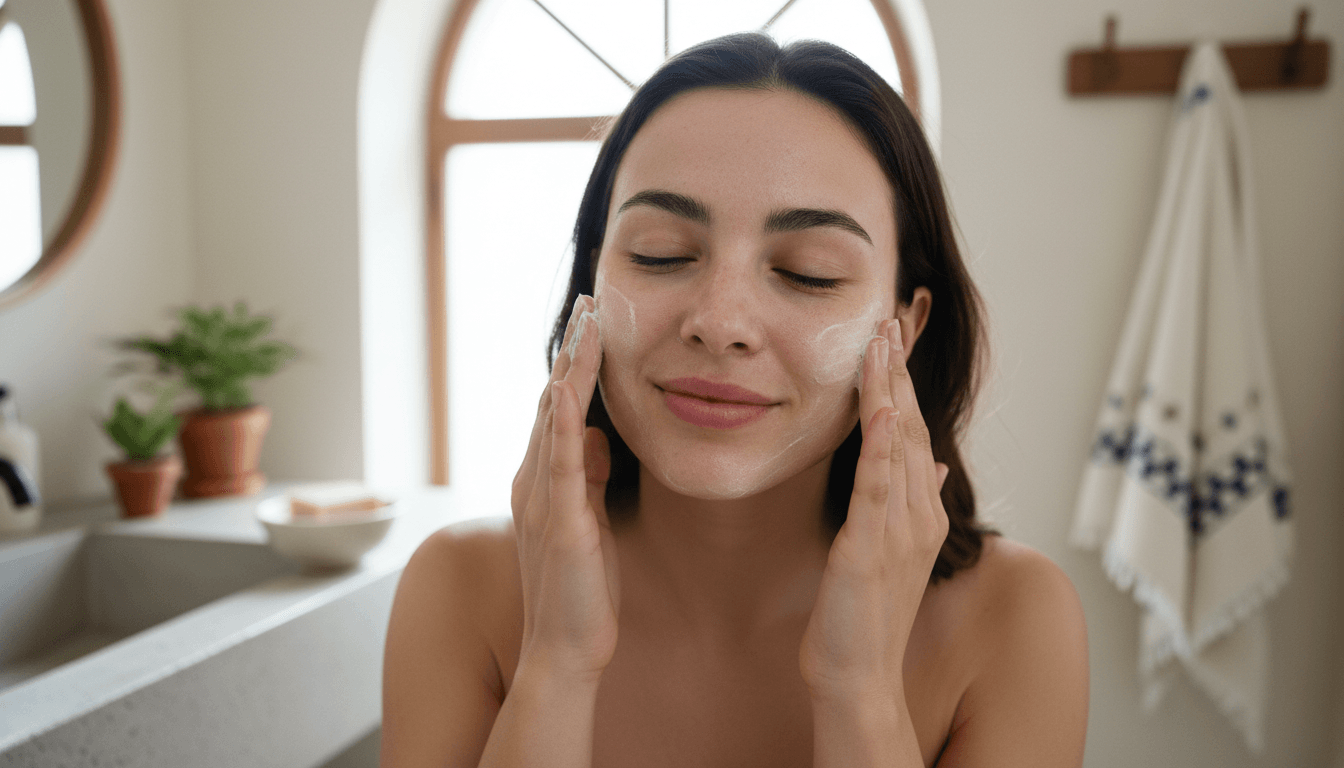
The first 24 to 48 hours after a facial
The first one or two days are usually the time to keep facial aftercare uncomplicated. This is not the moment to test several new products or restart every active ingredient at once.
- Cleanse gently. Use lukewarm water and a mild cleanser without scrubbing brushes, cleansing tools, or rough washcloths.
- Prioritize hydration. Choose a simple hydrating serum or toner and a moisturizer that already suits your skin.
- Pause unnecessary exfoliation. Avoid scrubs, peeling pads, exfoliating acids, and strong enzyme products unless your therapist specifically recommends them.
- Be cautious with retinoids and strong actives. Retinol, retinal, prescription retinoids, benzoyl peroxide, and potent acid combinations may be too irritating immediately after some treatments.
- Use sunscreen. Apply a broad-spectrum SPF in the morning, especially after exfoliation, dermaplaning, or treatments that can leave the skin more sun-sensitive.
- Do not overload the skin. More layers do not necessarily create better results. A short routine is easier to tolerate and easier to evaluate.
After more intensive treatments, you may also be advised to limit heavy makeup, hot showers, saunas, steam rooms, strenuous exercise, or prolonged sun exposure for the rest of the day. These recommendations vary, so follow the guidance connected to your specific facial.
If the skin feels unusually painful, develops significant swelling, blisters, or shows a reaction that continues to worsen, contact the treatment provider. Medical skin concerns or severe reactions should be assessed by a dermatologist or another appropriate healthcare professional.
How to build a simple skincare routine after facial treatment
A reliable post-facial routine does not need ten steps. The foundation is gentle cleansing, targeted hydration, moisturizer, and daytime sun protection. Products should be selected according to the current condition of the skin, not only according to its usual skin type.
1. Gentle cleansing
Use a cleanser that removes sunscreen, makeup, excess oil, and city buildup without leaving the skin squeaky, tight, or irritated. Cleanse with the fingertips using light pressure, then rinse with lukewarm water.
For many people, one thorough evening cleanse is the most important step. In the morning, some skin types may need only a gentle cleanse, while others may feel comfortable with a simple water rinse. This depends on oil production, sensitivity, and the products used overnight.
2. Hydrating toner or facial mist
A hydrating toner or mist can add light hydration and prepare the skin for the next step. It should feel comfortable and should not sting. Avoid treating toner as an aggressive second cleansing step after a facial.
Alcohol-heavy or strongly fragranced toners may feel drying on recently treated skin. A simple formula is usually easier to tolerate, particularly if the facial included exfoliation or extraction.
3. A serum based on the skin's current need
The serum step should have a clear purpose. Dehydrated skin may benefit from a hydrating serum. Sensitive or temporarily reactive skin may need a calming, barrier-supportive formula. Acne-prone skin may need a targeted product, but strong acne actives should be reintroduced according to professional advice rather than used automatically on the same evening as the facial.
A common mistake is applying several serums because each one addresses a different concern. After a facial, one suitable serum is often more useful than layering multiple active formulas that make irritation harder to identify.
4. Moisturizer
Moisturizer helps reduce water loss and keeps the skin comfortable. The texture should match the skin's needs. Oily or congestion-prone skin may prefer a lighter moisturizer, while dry or barrier-stressed skin may need a richer cream.
Acne-prone skin still needs moisture. Skipping moisturizer because the skin produces oil can lead to tightness and may encourage an overly aggressive routine. The goal is balanced support, not heaviness.
5. SPF every morning
Sun protection is one of the most important parts of an after facial skincare routine. UV exposure can worsen sensitivity and make post-blemish marks or uneven tone more noticeable. This is especially relevant after exfoliating treatments.
Apply a suitable broad-spectrum sunscreen as the final morning step. Use enough product for even coverage and reapply when spending extended time outdoors. Sunscreen should continue beyond the first two days because it protects the results of both professional and home skincare.
A simple morning and evening routine
Morning
- Gentle cleanse or water rinse, depending on the skin.
- Hydrating toner or mist.
- One suitable serum.
- Moisturizer if needed.
- Broad-spectrum SPF.
Evening
- Remove makeup and sunscreen with a gentle cleansing method.
- Cleanse without scrubbing.
- Apply a hydrating toner or mist.
- Use one serum selected for the current skin condition.
- Finish with moisturizer.
This home skincare routine can be adjusted once the skin has settled. Exfoliants, retinoids, and other active products should be reintroduced gradually rather than all on the same night.
Why personalized aftercare matters
There is no single post-facial routine that suits every client. Acne-prone, dry, sensitive, mature-looking, dehydrated, and congested skin can require very different product textures, active ingredients, and frequencies.
The treatment itself also matters. Home care after a Deep Cleansing Facial Treatment may focus on calming, hydration, clean hands, and avoiding unnecessary exfoliation. After a Hydraglow Treatment, the goal may be to maintain hydration and protect the glow without adding too many competing products. After a Dermaplaning Facial Treatment, careful SPF use and temporary avoidance of irritating actives may be particularly important.
Skin condition can also change with seasons and lifestyle. Budapest's cold, windy winters can increase dryness and barrier stress, while hot summers, sweating, makeup, sunscreen, commuting, and city buildup can contribute to congestion for some people. A routine that works in January may need a lighter texture or different cleansing approach in July.
This is where consultation matters. A professional can consider the treatment performed, the products already used at home, visible sensitivity, current breakouts, dryness, and the client's tolerance before recommending what to continue, pause, or introduce.
Common post-facial skincare mistakes
- Exfoliating again too soon. The skin may already have received enough exfoliation during the facial.
- Using every active product immediately. Combining acids, retinoids, vitamin C, benzoyl peroxide, and other strong formulas can increase irritation.
- Trying several new products at once. If the skin reacts, it becomes difficult to identify the cause.
- Picking or touching the face. This can irritate recently treated areas and interfere with the skin's settling process.
- Skipping moisturizer on oily skin. Oily skin can still be dehydrated or barrier-stressed.
- Ignoring sunscreen. This can reduce the value of a routine focused on clarity, calmness, and even-looking tone.
- Expecting one facial to replace daily care. A treatment can improve the skin's appearance, but it cannot compensate for an unsuitable routine used every day.
Where Paris Leaf fits into post-facial care
At Budapest Skincare, we work with Paris Leaf natural skincare products because its 100% natural formula combine clinically selected active ingredients with RealShield™, the brand’s proprietary botanical complex developed by microbiologist Dr. Bermudez. With a strong focus on microbiome protection, skin-barrier support, and skinimalism, Paris Leaf promotes a simple yet effective routine based on gentle cleansing, toning, targeted serum application, moisturising, and daily sun protectionsupporting the skin’s natural balance without overwhelming it with too many active products.
Paris Leaf skincare may fit naturally into post-facial care when the selected products match the client's skin condition and the treatment performed. Its core facial routine uses a toner, serum, and cream, with fragranced and fragrance-free options available. For recently treated or highly reactive skin, formula tolerance and fragrance preference should be considered carefully.
For acne-prone or sensitive skin, the Paris Leaf Blemish Control line can be recommended as part of a personalized home routine. This does not mean every acne-prone or sensitive client needs the same three products. The routine should still be selected according to current sensitivity, existing treatments, product history, and professional guidance.
For anyone researching skincare after a facial in Budapest, the practical question is not whether a product is popular or natural. The important question is whether it supports the skin's present needs without creating unnecessary irritation.
When can you restart acids, retinoids, or exfoliation?
There is no universal restart date. The timing depends on the treatment intensity, the active ingredient, the product strength, and the skin's response.
After a mild hydration-focused facial, some clients may return to their normal routine quickly. After stronger exfoliation, dermaplaning, intensive extraction, or a treatment that leaves the skin visibly sensitive, a longer pause may be appropriate. Restart one active product at a time and reduce frequency if the skin stings, becomes unusually dry, or develops persistent redness.
If you use prescription acne medication, prescription retinoids, or treatment for a diagnosed skin condition, follow the advice of the prescribing medical professional. Salon aftercare should not replace medical instructions.
Frequently asked questions
How long should I keep my routine simple after a facial?
For many facials, keeping the routine simple for the first 24 to 48 hours is sensible. More intensive treatments may require a longer period. Follow the specific aftercare advice provided for your treatment and wait until the skin feels settled before reintroducing stronger actives.
Can I wash my face the same evening?
This depends on the treatment and what was applied at the end. Some clients can cleanse gently that evening, while others may be advised to leave the finishing products on for longer. Ask your therapist before leaving if the timing is unclear.
Can I wear makeup after a facial?
Light makeup may be possible after some treatments, but recently extracted, exfoliated, or sensitive skin may benefit from a makeup-free period. Use clean applicators and avoid heavy, occlusive layers if the skin feels warm or reactive.
Why does my skin look slightly red after treatment?
Temporary redness can occur after massage, steaming, extraction, exfoliation, or device-based steps. It should generally calm rather than worsen. Contact the provider if redness is severe, painful, accompanied by swelling, or continues to intensify.
Should I use the products recommended during my facial immediately?
Only if the therapist advises that they are suitable to begin straight away. Introducing one new product at a time is often the clearest approach, especially for sensitive or acne-prone skin.
How long will facial results last?
This varies according to the treatment, skin condition, lifestyle, and home routine. Immediate hydration or glow may be visible for days, while longer-term improvements usually depend on consistency, suitable products, sun protection, and an appropriate treatment plan.
Professional treatment and home care work together
A facial treatment can begin a positive change by cleansing, hydrating, calming, or refreshing the skin in a professional setting. A consistent home routine helps maintain that progress between appointments.
The most effective routine is rarely the most complicated one. Gentle cleansing, suitable hydration, moisturizer, daily SPF, gradual use of active ingredients, and personalized product selection create a stronger foundation than constantly changing products. Professional treatment starts the process, but simple and consistent home care determines how well the result is supported over time.